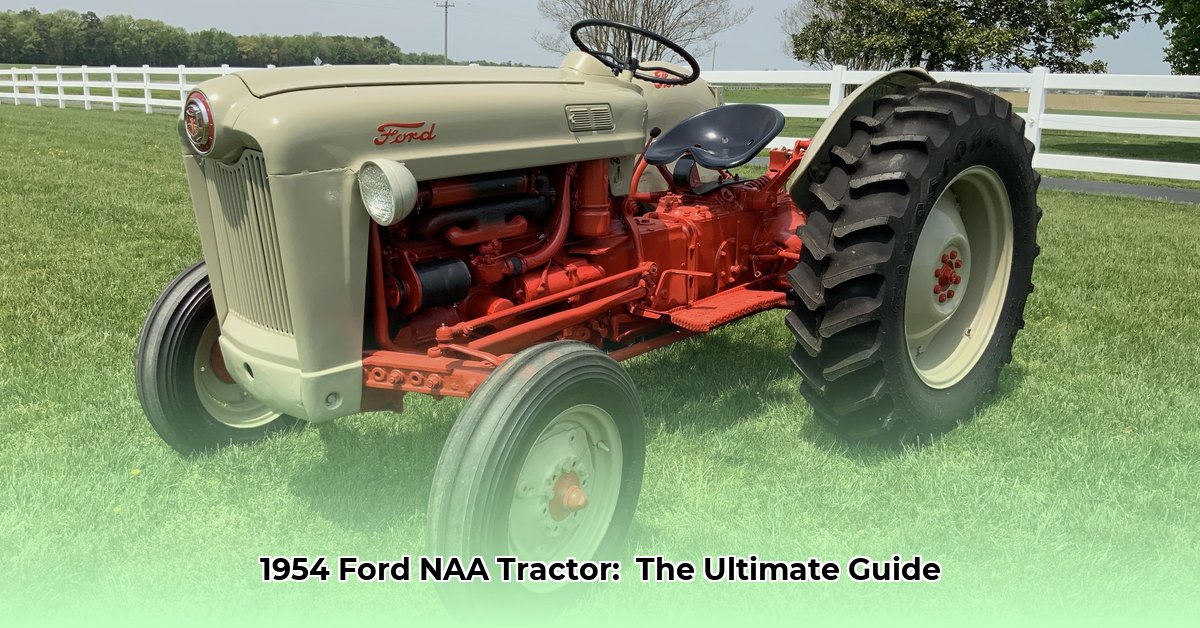
The 1954 Ford NAA tractor: a compact powerhouse that represents a pivotal moment in agricultural history. This guide provides a comprehensive look at buying, restoring, and maintaining this iconic machine, blending historical context with practical advice for both seasoned collectors and newcomers. Whether you envision this classic tractor as a prized addition to your collection or a reliable workhorse, this guide will equip you with the knowledge you need. For more Ford NAA resources, check out this helpful website: Ford NAA Info.
History and Significance: The NAA's Legacy
The Ford NAA, introduced in the mid-1950s, quickly became a staple on farms across America. Its compact design and reliable performance revolutionized farming, offering a more maneuverable alternative to larger, heavier tractors. This made it ideal for smaller farms and precision tasks. The NAA’s enduring popularity among collectors stems not only from its agricultural prowess but also its nostalgic appeal, representing a simpler era of farming. It's a symbol of American ingenuity and a testament to enduring mechanical excellence.
Technical Specifications: Understanding the NAA's Mechanics
The 1954 Ford NAA typically featured a four-cylinder gasoline engine, boasting between 20 and 31 horsepower depending on testing methodology. While not incredibly powerful, its efficiency and maneuverability were key features, reflecting a shift towards lighter farm equipment. Its weight ranged from approximately 2,500 to 2,800 pounds, offering a balance of stability and ease of handling. The hydraulic system, though simple by modern standards, was effective and reliable for its time. This compact size is a defining characteristic that contributes to both its charm and its market viability.
| Specification | Typical Range |
|---|---|
| Engine Horsepower (Claimed) | 20 - 30 hp |
| Engine Horsepower (Tested) | 27 - 31 hp |
| Weight | 2500 - 2800 lbs |
| Hydraulic System Capacity | Approximately 2 gallons |
Remember, these are approximate figures. Consult your tractor's original documentation for precise specifications whenever possible.
Market Analysis: Navigating the NAA Marketplace
The market for 1954 Ford NAA tractors remains active, with prices ranging from approximately $2,000 to well over $5,000. Exceptional, meticulously restored examples can command significantly higher prices. Several key factors influence the value: the overall condition (rust, wear, and tear); documented operating hours (lower hours generally equate to higher value); and the availability of service records or historical documentation. A well-documented history increases confidence and enhances the tractor's desirability.
However, buying a classic tractor presents unique challenges. Parts availability poses a significant concern, as sourcing replacement components for a 60-year-old machine can be difficult and time-consuming.
Risk Assessment Matrix
| Risk Factor | Likelihood | Impact | Mitigation Strategy |
|---|---|---|---|
| Parts Availability | Moderate | High | Join online forums, connect with classic tractor clubs, and explore specialized suppliers. |
| Restoration Costs | Moderate | Moderate | A thorough pre-purchase inspection is crucial. Budget realistically. |
| Market Fluctuation | Moderate | Moderate | Keep a close eye on market trends. Be prepared to negotiate. |
| Authenticity Verification | Low | Moderate | Confirm serial numbers against factory records if possible. Comprehensive documentation greatly helps. |
Buying a 1954 Ford NAA: A Step-by-Step Guide
Purchasing a classic tractor requires careful planning and due diligence. Here’s a structured approach:
Research: Thoroughly research the 1954 NAA, understanding its mechanical features and common problems. Online resources and classic tractor forums are incredibly valuable.
Pre-Purchase Inspection: This step is critical. Carefully examine the engine, transmission, hydraulics, and electrical systems. Look for rust, leaks, and signs of wear. Consider employing a professional mechanic specializing in vintage tractors.
Parts Sourcing: Before buying, research parts availability. Identify online forums, specialized suppliers, and potential salvage yards as backup options.
Price Negotiation: Research comparable sales to establish a fair market value. Account for the condition and any needed repairs. Negotiate respectfully, but firmly.
Documentation: Obtain any available paperwork: service records, maintenance logs, and any other documentation that provides insight into the tractor's history.
Transport: Arrange for safe transport of the tractor to its new home.
Maintaining Your Ford NAA: Ensuring Longevity
Regular maintenance is essential for prolonging your tractor's lifespan and preserving its value. Consider these key tasks:
Fluid Changes: Change engine oil, transmission fluid, and hydraulic fluid according to the manufacturer's recommendations.
Lubrication: Maintain consistent lubrication of moving parts to prevent wear and tear.
Storage: Store the tractor in a dry location protected from the elements. Use a cover to protect against sun and rain.
Visual Inspections: Regularly inspect for leaks, loose connections, and signs of wear. Address any issues promptly.
This guide provides a comprehensive foundation for anyone interested in acquiring and maintaining a 1954 Ford NAA tractor. Remember that thorough research, careful planning, and realistic budgeting are key to a successful and rewarding experience. The investment of time and effort will be richly rewarded by the ownership of this piece of American agricultural history.